

At A Silent Moment Organic Spa in Long Beach, body treatments are approached as purposeful therapeutic work rather than generic relaxation sessions. Our focus is on supporting the body's natural regulatory systems: fluid movement, microcirculation, tissue quality, fascial mobility, and nervous system balance, to promote recovery, structural ease, and long-term vitality.
Professional bodywork can influence multiple physiological systems when applied with precision and intention.[1][7]
Rather than treating "massage" as a broad, one-size-fits-all service, we emphasize individualized techniques that align with each client's current needs, recovery status, activity level, and wellness goals.
Key Takeaways
Therapeutic bodywork can support parasympathetic nervous system activity, helping shift the body toward a rest-and-restore state.[1]
Manual techniques may enhance local circulation and lymphatic flow, aiding tissue recovery and reducing the sensation of congestion.[4][5][7]
Skilled work on fascia and connective tissue can improve mobility and ease structural restrictions.[3]
Lymphatic-focused techniques use light, rhythmic methods distinct from deeper pressure approaches.
Consistent therapeutic bodywork may offer supportive benefits for recovery and injury-prevention strategies in active individuals.
Results are progressive and individualized; expectations should remain realistic and grounded in physiology.
The Physiological Foundation of Therapeutic Bodywork
Manual bodywork influences the body through mechanical, neurological, circulatory, and fascial pathways.[1][7]
Light-to-moderate pressure and rhythmic techniques stimulate mechanoreceptors in the skin, fascia, and underlying tissues, contributing to changes in autonomic nervous system activity.[1]
Research on manual therapies indicates potential reductions in sympathetic tone and support for parasympathetic rest-and-digest responses, which may help lower perceived stress and support recovery processes.[1]
Improved local blood flow can enhance the delivery of oxygen and nutrients to tissues while assisting the removal of metabolic by-products.[7]
Lymphatic techniques specifically target the superficial lymphatic network, encouraging directional fluid movement toward regional lymph nodes.[5]
Supporting the Nervous System and Central Regulation
Many clients seek bodywork for more than muscular tension. Therapeutic sessions can contribute to a quieter nervous system state. Activation of the parasympathetic branch is associated with a slower heart rate, deeper breathing, and a greater sense of calm. For individuals experiencing high daily stress loads, this shift can feel restorative and may support better sleep quality and overall resilience when practiced consistently.[1]
Because of their gentle nature, lymphatic drainage techniques are particularly well-suited for clients who prefer low-intensity input while still receiving measurable physiological support.
Circulation, Tissue Health & Recovery
Healthy microcirculation is essential for tissue repair and comfort. Manual techniques can temporarily increase local blood flow, supporting the environment in which tissues recover from everyday strain, training, or prolonged static postures.[7]
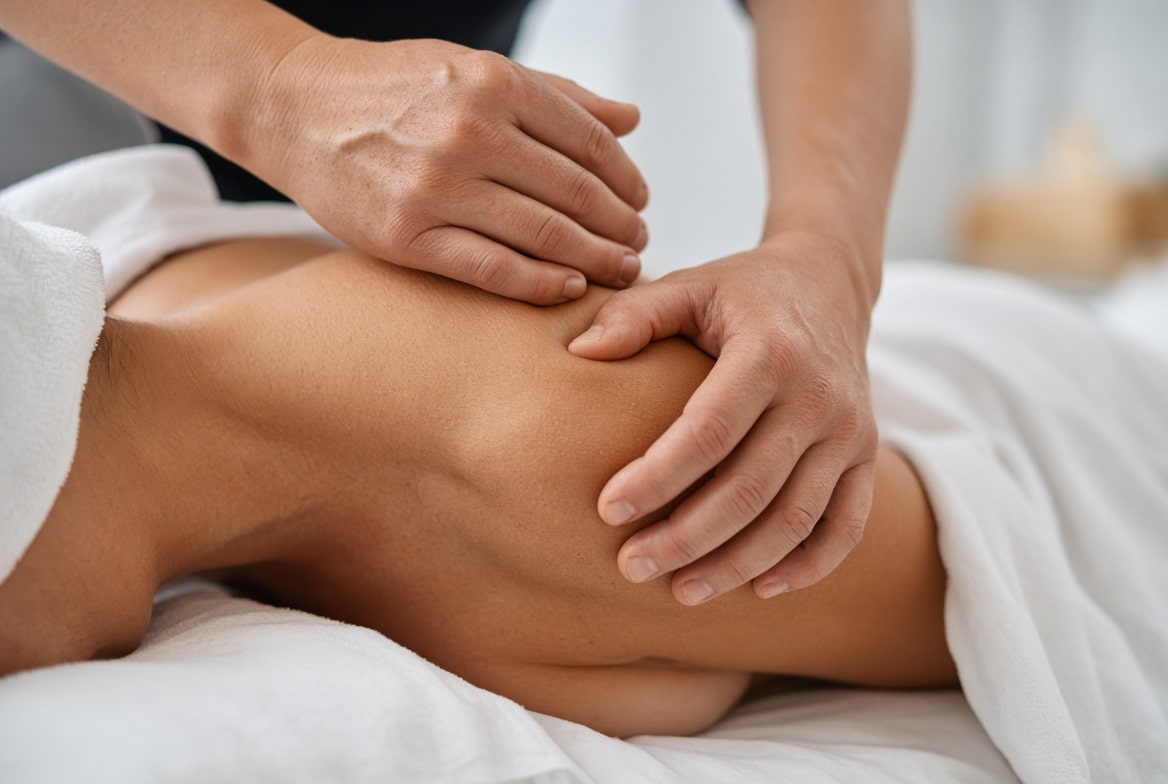
Fascia, the continuous web of connective tissue that surrounds and interconnects muscles, organs, and structures throughout the body, plays a critical role in movement quality, force transmission, and structural support. When fascia becomes restricted due to repetitive stress, injury, poor posture, or insufficient recovery, it can contribute to limited range of motion, compensatory movement patterns, and a greater sense of tightness or restriction.
Skilled manual therapy targeting fascial layers can help improve tissue glide and mobility.[3]
Clinical and observational research on myofascial techniques has demonstrated improvements in range of motion, reductions in perceived stiffness, and positive effects on local blood flow and tissue oxygenation in treated areas.[3][7]
These changes support a more favorable environment for tissue recovery and functional movement.
Fascia, Structural Restrictions & Preventive Support for Active Individuals
Structural restrictions in fascia and soft tissue can alter biomechanics over time. When one area becomes less mobile, neighboring structures often compensate, potentially increasing load on other tissues.
Therapeutic bodywork does not replace medical care, physical therapy, or sports medicine interventions.
However, regular skilled manual work may help:
Maintain healthier fascial mobility and tissue glide
Support recovery between training sessions
Reduce the accumulation of residual tension that can contribute to overuse patterns
Improve awareness of movement restrictions before they become symptomatic
Create better conditions for tissue adaptation and resilience
Studies on massage and soft-tissue techniques in athletic and active populations have reported benefits related to reduced delayed-onset muscle soreness, improved flexibility, and faster recovery of muscle function in some contexts. While individual responses vary and high-quality evidence continues to evolve, the mechanical and circulatory effects of skilled bodywork provide a physiological rationale for its inclusion in recovery and preventive wellness programs.[2][8]
When combined with lymphatic support, the overall tissue environment can feel lighter, less congested, and more prepared for activity or recovery.
Lymphatic Support as a Core Therapeutic Element
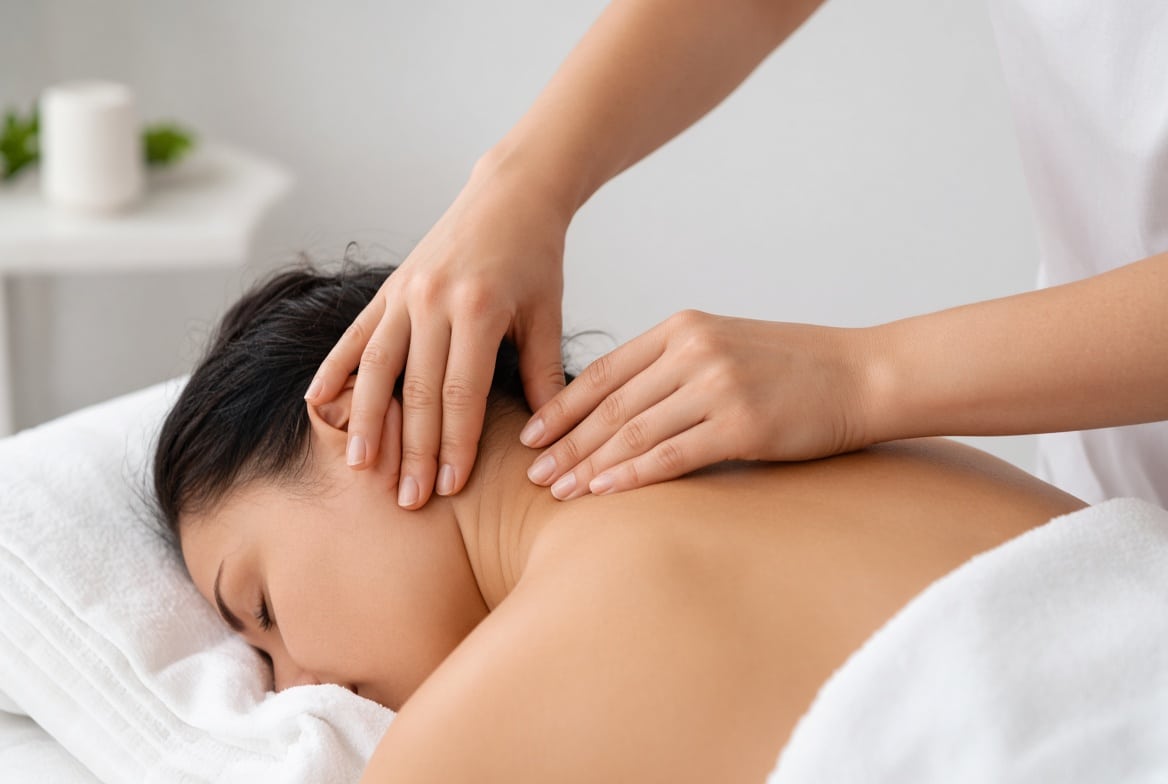
At A Silent Moment, the Specialized Lymphatic Wellness & Vitality Treatment incorporates lymphatic drainage as a focused technique rather than a generic add-on. It uses light, precise, rhythmic movements to encourage fluid movement along natural pathways.
Clinical evidence is strongest for reducing edema and supporting recovery in post-surgical or compromised lymphatic contexts.[4]
For clients without medical lymphedema, the primary benefits are often temporary reduction in the sensation of fullness, improved comfort, and a calmer tissue state.
This approach aligns closely with our regenerative philosophy: create conditions that favor the body's own recovery processes rather than forcing aggressive change.
Digestive Comfort & Visceral Awareness
Certain specialized techniques, including gentle abdominal or visceral-oriented work when appropriate, may support clients experiencing tension related to digestive discomfort or restricted movement in the abdominal region. While bodywork is not a treatment for medical gastrointestinal conditions, improved local mobility and reduced muscular guarding can contribute to a greater sense of ease for some individuals. Any such work is performed only after careful assessment and within the scope of wellness care.[6]
Integrating Bodywork with Supportive Modalities
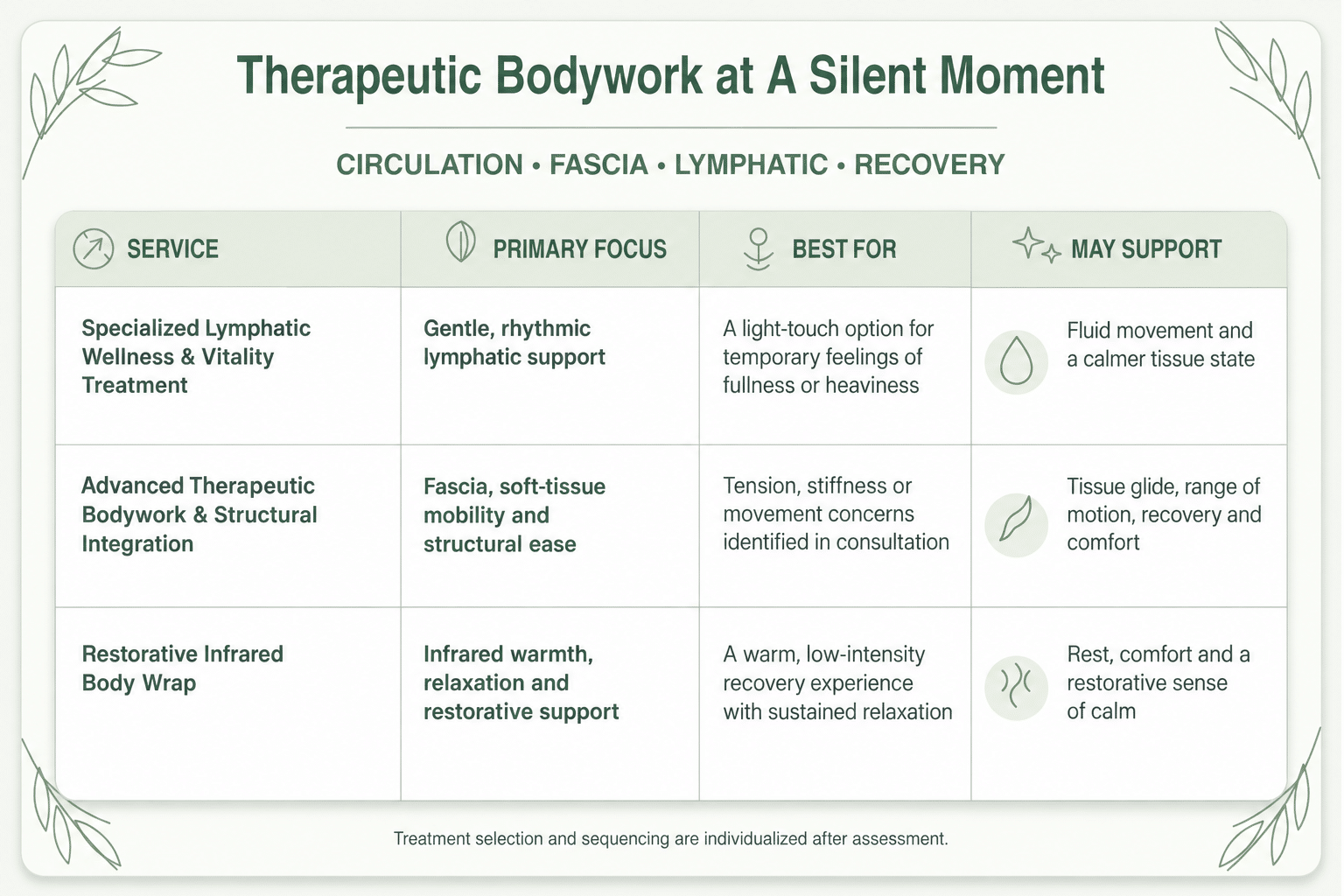
At A Silent Moment, the Advanced Therapeutic Bodywork & Structural Integration may be paired with the Restorative Infrared Body Wrap when that combination aligns with the client's needs. Together, these services can support circulation, tissue comfort, and a sustained sense of calm. The specific sequence is always individualized.
Comparison of A Silent Moment Body Treatments
Realistic Expectations & Individual Response
Responses to therapeutic bodywork vary. Some clients feel deeply relaxed with little residual sensation. Others notice temporary tenderness in areas that received focused attention. Neither response determines the value of the session. Progressive benefits related to comfort, ease of movement, fascial mobility, and tissue quality typically develop with consistent, well-timed care rather than from a single appointment.[2][3]
Who Benefits Most from a Therapeutic Approach?
This style of bodywork is particularly relevant for clients who:
Seek support for recovery and resilience rather than purely recreational massage
Experience the effects of prolonged stress, static postures, or repetitive movement
Want to support circulation, fluid dynamics, and fascial health as part of a broader wellness plan
Are active or athletic and looking for preventive tissue support
Prefer precise, assessment-driven techniques over standardized routines
Are integrating bodywork with regenerative facial or wellness protocols
Building a Personalized Bodywork Rhythm
Just as with facial care, the ideal frequency of therapeutic body sessions is determined by current needs, recovery status, training load, lifestyle demands, and goals. A thoughtful plan evolves over time rather than following a fixed calendar.

Experience Therapeutic Bodywork & Lymphatic Support in Long Beach
At A Silent Moment Organic Spa, every session begins with assessment and clear communication. Whether your priority is nervous system balance, fascial mobility, tissue recovery, lymphatic support, or overall vitality, we help determine whether the Specialized Lymphatic Wellness & Vitality Treatment, Advanced Therapeutic Bodywork & Structural Integration, Restorative Infrared Body Wrap, or a personalized combination best aligns with your goals.
Schedule your visit and explore how therapeutic bodywork and lymphatic techniques can support your long-term structural ease, recovery, and wellness goals.
You can also explore our Long Beach massage and recovery guide for additional context on choosing a massage approach that fits your current needs.
Sources and References
Rechberger V, Biberschick M, Porthun J. "Effectiveness of an osteopathic treatment on the autonomic nervous system: a systematic review of the literature." Supporting context from an overview of systematic reviews on manual therapy and autonomic responses.
Davis HL, Alabed S, Chico TJA. "Effect of sports massage on performance and recovery: a systematic review and meta-analysis." BMJ Open Sport & Exercise Medicine. 2020;6:e000614.
Antohe BA, Alshana O, Uysal HS, et al. "Effects of Myofascial Release Techniques on Joint Range of Motion of Athletes: A Systematic Review and Meta-Analysis of Randomized Controlled Trials." Sports. 2024;12(5):132.
Klein I, Tidhar D, Kalichman L. "Lymphatic treatments after orthopedic surgery or injury: A systematic review." Journal of Bodywork and Movement Therapies. 2020;24(4):109-117.
Ozdowski L, Gupta V. "Physiology, Lymphatic System." StatPearls. Updated May 1, 2023.
Cruvinel FG, et al. "Effectiveness of visceral fascial therapy targeting visceral dysfunctions outcome: systematic review of randomized controlled trials." BMC Complementary Medicine and Therapies. 2023.
"Effect of Manual Massage, Foam Rolling, and Strength Training on Hemodynamic and Autonomic Responses in Adults: A Scoping Review." 2025.
"The Effects of Massage Therapy on Sport and Exercise Performance: A Systematic Review." 2023.